Skin Concerns
Hair Loss
Hair loss can significantly affect a person’s confidence and sense of wellbeing. At The London Skin Clinic, we understand the emotional impact that changes to hair and scalp health can have.
Our team provides a caring and professional environment, offering assessment and guidance on available options to support both the physical and emotional aspects of hair-related concerns.
Our approach combines medical knowledge with understanding and discretion, helping clients feel informed and supported throughout their individual hair-health journey.
Acne is a common skin condition caused by comedones (blackheads and whiteheads) and pus-filled spots (pustules).
It usually starts at puberty and can vary in severity from a few spots on the face, neck, back, and chest, which most adolescents will have at some time, to a more significant problem that may cause acne scarring and impact on self-confidence. For the majority, it tends to resolve by the late teens or early twenties, but it can persist for longer in some people.
Types of acne:
Acne cosmetica: Acne cosmetica is a mild form of acne caused by the use of makeup. This type of acne often forms on the face, neck, hairline and scalp. Consider a natural, mineral make up to prevent acne cosmetica from forming
Acne rosacea: The type of acne occurs when blood vessels under the skin become enlarged causing redness along with whiteheads and/or blackheads. Unlike cystic acne, rosacea does not scar the skin.
Acne vulgaris: A slightly more severe form of acne, acne vulgaris forms when skin follicles become clogged with hair and oil. This type of acne is persistent and includes blackheads, pimples and possible scarring.
Adult acne: While acne is most prevalent in young adults, older adults may still suffer from the skin condition. The main factors that contribute towards adult acne are bacteria build-up, excessive oil, inflammation and clogged pores.
Back acne: Acne is mostly caused by excessive oil and dead skin cells clogging your pores. It can also be hormonal. A healthy diet, loose-fitting clothing and showering after the gym will help keep your back clean to prevent the build-up of oil or excess skin cells.
Cystic acne: Cystic acne is the most severe form of acne, where cysts form deep underneath the skin. The combination of dead skin cells, oil and bacteria build up, causing the skin to clog with cysts that can take several weeks to rise to the surface.
Acne occurs when pores become clogged with oil, dead skin cells, debris and bacteria. The skin pores are actually openings of hair follicles which contain the sebaceous glands. These produce an oily substance called sebum, acting as a skin lubricant. When the sebaceous glands overproduce oil along and pores get clogged, acne develops.
The main risk factors for acne are hormonal changes or imbalances, medication and diet. Acne can also be hereditary and many of those who develop the condition have a family history of acne.
There are many different types of acne, which makes a personalised treatment plan very important. We highly recommend you attend a consultation, where our expert therapists will be able to diagnose the type of acne you have and grade its severity as either mild, moderate or severe.
Queen Anne Acne Treatment
Want clearer skin free of breakouts? We focus on deep cleansing of pores, infusion of bacterial balancing ingredients and our exclusive Sulfur Masque to help target acne-causing bacteria and surface oils, working deep into the dermis during treatment to leave your skin clearer and bacteria free.
East Gate Extraction of whiteheads, blackheads and Milia
During your 1hr treatment open blackheads, closed whiteheads and milia will be cleared from the skin. The forehead, nose, cheeks and chin are key areas of focus. Using an extraction peel and medical nano steam the skin is prepared and opened for easy extraction, with far clearer skin. A course of extractions may be required depending on the severity of your skin condition.
Intense Pulsed Light (IPL) Skin Rejuvenation
Intense Pulsed Light (IPL) skin rejuvenation therapy is a safe, effective and versatile treatment improving the appearance of many skin issues. It is non-invasive, gentle on your skin and pain-free. IPL is a light therapy that is suitable if you are suffering from: birthmarks, live acne, hyperpigmentation, broken blood vessels, brown spots, liver spots, age spots, discoloured skin, wrinkles, freckles, rosacea, scars, and spider veins.
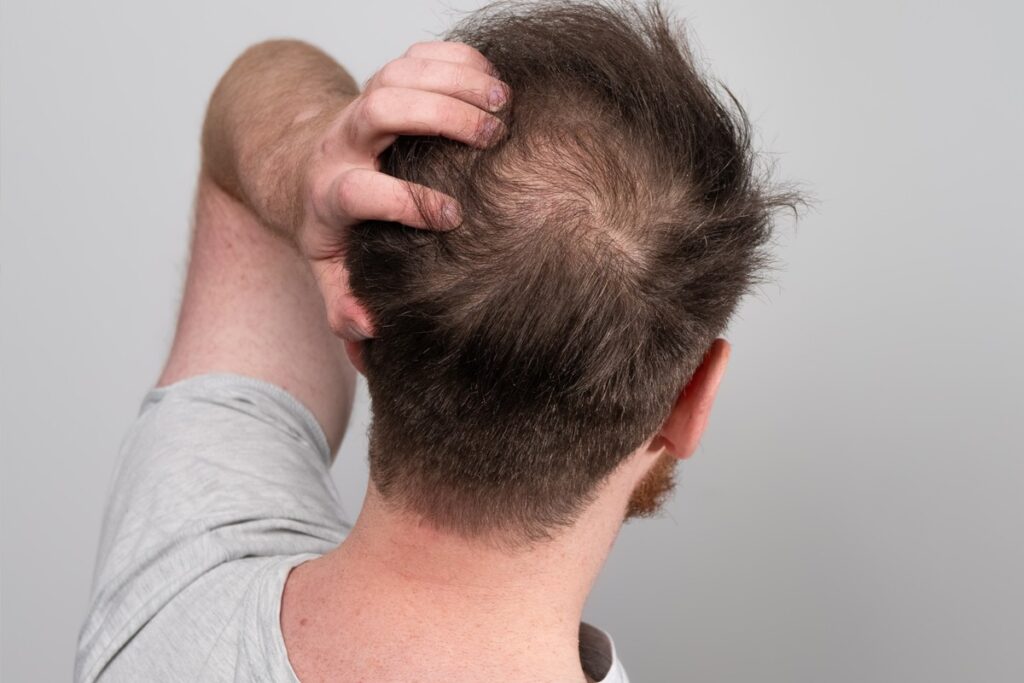
Hair loss refers to the thinning or shedding of hair from the scalp or other parts of the body. It is a common condition that can affect people of all ages and genders. Hair loss may occur gradually or suddenly and can be temporary or longer-term, depending on the underlying cause.
Several factors can contribute to hair loss:
Genetics: Hereditary patterns, such as male- or female-pattern hair thinning, are among the most frequent causes.
Hormonal Changes: Life stages such as pregnancy, childbirth, menopause, or thyroid imbalance may influence hair growth cycles.
Medical Conditions: Certain autoimmune disorders (for example, alopecia areata), scalp conditions, or other health concerns may be associated with hair shedding.
Medications and Treatments: Some prescription medicines used for various health conditions can list hair loss as a side effect.
Physical or Emotional Stress: Periods of significant stress can temporarily disrupt normal hair growth, leading to increased shedding.
Nutritional Factors: Insufficient intake of nutrients such as iron, protein, and specific vitamins may affect the strength and density of hair.
Understanding the likely cause of hair loss is an important first step. A consultation with a qualified healthcare professional can assist in assessing individual circumstances and discussing suitable care or referral pathways.
Understanding the likely cause of hair loss is important in planning appropriate care.
At The London Skin Clinic, we recommend a comprehensive evaluation to identify the potential factors contributing to your hair concerns. This process may include:
Medical History Review: Discussing your overall health, family history, recent illnesses, medications, and lifestyle factors that may influence hair growth or shedding.
Physical Examination: Assessing the scalp and hair to observe the pattern and distribution of thinning, and to check for any signs of inflammation or underlying scalp conditions.
Hair Pull Test: Gently applying traction to a small section of hair to assess the degree of shedding.
Blood Tests: Ordering relevant pathology tests to evaluate for factors such as thyroid imbalance or nutritional deficiencies that may affect hair health.
Procell Microchanneling is a minimally invasive procedure that uses a specialised device with fine filaments to create uniform micro-channels in the scalp or skin.
These controlled micro-channels allow for the application of professional serums that may include selected peptides and cytokine-based ingredients. The technique is designed to support the scalp’s natural renewal processes and maintain overall skin and hair health.
Key Points:
Treatment Duration: Usually completed within about 60 minutes.
Recommended Schedule: A series of sessions may be recommended, typically spaced several weeks apart, depending on individual needs and practitioner advice.
Suitability: May be appropriate for individuals seeking to improve scalp condition or support the appearance of fuller, healthier-looking hair.
Comfort and Recovery: The procedure is designed to minimise downtime, and most clients return to normal activities shortly afterwards.
Procell Microchanneling is also used for general skin-health purposes, such as supporting even tone and texture under professional guidance
The London Skin Clinic operates under the Australian Health Practitioner Regulation Agency (AHPRA) and complies with the Health Practitioner Regulation National Law (South Australia).
The information provided on this website is general in nature and is not a substitute for professional medical advice. Individual suitability for treatment and outcomes vary between clients.
In accordance with AHPRA’s advertising requirements, we do not publish:
- Testimonials that reference clinical outcomes, results, or the effectiveness of a treatment.
- Before-and-after images that could create an unrealistic expectation of results or imply a guaranteed outcome.
To understand how a treatment may apply to your individual concerns, please contact our clinical team at hrhnorwood@londonskin.com.au or book a private consultation for professional advice.